
Guide · 8 min read
Furniture Removal Guide for the Blue Water Area
Old furniture is awkward, heavy, and hard to dispose of. This guide explains how Junk Command handles furniture removal across the Blue Water Area.
By Dan Gage · March 3, 2026
INTRODUCTION
Furniture removal sounds simple until the sofa will not fit through the door it came in, the sleeper couch weighs more than expected, or the dresser has to come down a narrow staircase without marking the wall. Across Port Huron, Marysville, Fort Gratiot, and the Blue Water Area, Junk Command helps homeowners, renters, landlords, and businesses get rid of bulky furniture without turning the day into a wrestling match.
As a veteran-owned local company, we approach furniture removal with a steady plan: confirm what is going, protect the path, lift safely, and dispose of the items responsibly when possible. Whether you are replacing a sectional, clearing a rental, making room for a nursery, or helping family downsize, a clear process keeps the job efficient and keeps you out of the heavy lifting.
Detailed explanation: what furniture removal includes
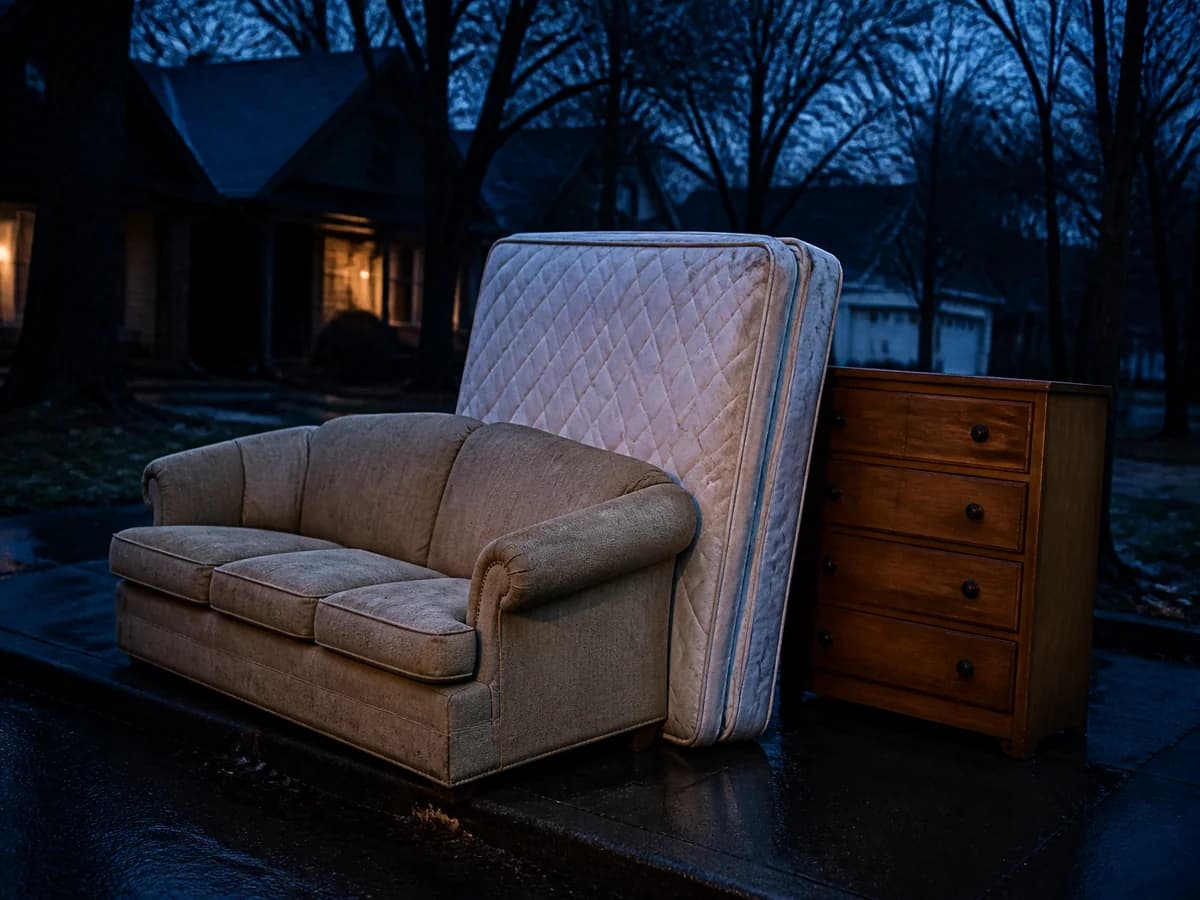
Furniture removal includes the labor to lift, carry, load, haul, and dispose of unwanted pieces. The most common items are couches, loveseats, sectionals, recliners, mattresses, bed frames, dressers, nightstands, dining tables, chairs, desks, hutches, entertainment centers, bookshelves, filing cabinets, and patio sets. If an item is freestanding and safe to move, it is usually a good fit for a furniture pickup.
The crew can remove furniture from nearly anywhere on the property. Upstairs bedrooms, finished basements, garages, porches, apartments, storage units, and offices are normal. Access details matter because they affect time and safety. A lightweight chair at the curb is a different job than a pull-out sofa in a second-floor apartment with a tight stairwell. Good information helps us bring enough crew and quote the work fairly.
Usable furniture may be routed toward donation when local options are available and the item is clean, structurally sound, and acceptable to the receiving organization. Not every item can be donated. Torn upholstery, pet damage, heavy staining, broken frames, smoke odor, and water damage often make furniture unsuitable. When donation is not realistic, we look for recycling or responsible disposal routes where possible.
Commercial furniture is common too. Small offices, salons, shops, and rental properties call for desks, lobby chairs, filing cabinets, shelving, display pieces, and breakroom furniture. Business pickups are easiest when building access, parking, elevator rules, and hours are clear. If the removal must happen before customers arrive or after tenants leave, mention that timing when you schedule.
Pricing expectations for furniture removal
Furniture pricing usually starts with volume. A single recliner or small table may fit near a minimum pickup. A sectional, king mattress set, or full room of furniture takes more space and labor. Sleeper sofas, oversized entertainment centers, and heavy solid-wood pieces may affect the price because they require more careful handling. The easiest way to get an accurate estimate is to send photos from a few angles.
Access also plays a role. Stairs, long carries, elevators, tight hallways, downtown parking, and basement removals all influence the time required. Junk Command does not use access details as a surprise after the work is done; we ask about them ahead of time and confirm pricing before loading. If you want a general sense of how loads are priced, the overview at /pricing is a helpful starting point.
Customers often save money by bundling. If you have a couch, mattress, dresser, and a few garage items, one combined pickup is usually more efficient than separate trips. During moves and remodels, walk through the home before booking and decide whether any additional pieces are ready to go. It is easier to quote the full picture than to redesign the job while the crew is standing in the driveway.
Tips before the furniture removal crew arrives
Empty drawers, cabinets, and storage compartments before pickup. Furniture is safer to carry when it is lighter and when loose items are not shifting inside. Remove bedding, personal papers, remotes, cords, and anything tucked between cushions. If a piece has sentimental or financial value, keep it separated from the removal area so there is no confusion about what stays.
Measure only if you already suspect a problem. Our crew is used to tight turns, but it helps to know if a couch was assembled in the room, if a basement door was replaced after the item was moved in, or if a bed frame is bolted together. Some furniture may need light disassembly before it leaves the room. If you still have hardware or instructions, set them nearby, but do not strain yourself trying to take apart a heavy piece alone.
Clear the path as much as practical. Move shoes, rugs that slip, small tables, plants, and fragile decorations away from the route. Secure pets and let the crew know about loose steps, icy walks, or flooring that needs extra care. You do not need to carry furniture outside; preparing the pathway is enough to keep the job efficient.
If a delivery company is bringing replacement furniture, avoid scheduling the old removal too tightly against the delivery window. Delivery trucks can arrive early or late, and crowded driveways make both jobs harder. When possible, remove the old items before delivery day or leave enough space and time for each crew to work safely.
When to hire professionals for furniture removal
Professional furniture removal is worth it when the item is heavy, awkward, upstairs, in a basement, or likely to damage the home during removal. A sofa can scratch a doorway, a dresser can gouge drywall, and a mattress can become a sail on a windy driveway. The cost of hiring a crew is often less than the cost of a strained back, a borrowed truck mishap, or a Saturday spent making multiple dump runs.
It is also worth hiring help when timing matters. New furniture deliveries, apartment move-outs, real estate showings, and family visits usually come with firm deadlines. Junk Command can remove the old pieces before the next step happens, and in many cases can coordinate furniture with other junk from the same property. For larger room or home cleanouts, /estate-cleanout may be the better service path.
Landlords and property managers often call when furniture has been abandoned. Those jobs can involve mattresses, broken dressers, couches, bagged trash, and loose household items. A professional crew can document the load, clear it quickly, and help get the unit ready for cleaning or repairs. That keeps turnover moving without asking maintenance staff to do unsafe hauling work.
FREQUENTLY ASKED QUESTIONS
RELATED GUIDES
Explore service areas, services, pricing, or return to the homepage.